
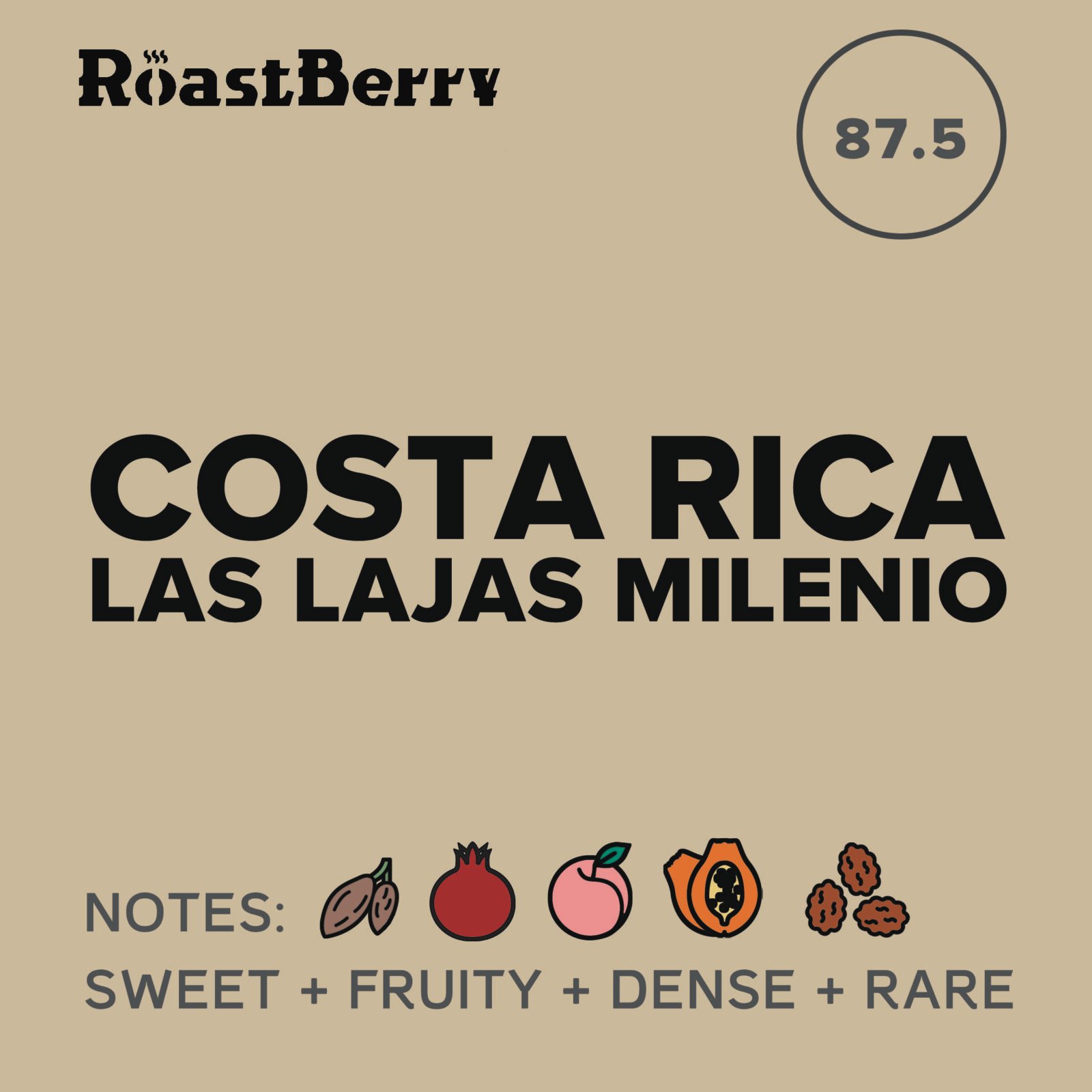
Costa Rica Las Lajas Milenio Espresso
- cacao
- pomegranate
- white peach
- tropical fruit
- raisin
Out of stock
Flavor Profile: cacao, pomegranate, white peach, tropical fruit, raisin
- SCA 87,5
- Process: honey
- Arabica varietal: Milenio
- Altitude: 1600 meters
- Region: Alajuela
- Farm: Las Lajas
- Size: whole beans, 250G
Flavor Profile: cacao, pomegranate, white peach, tropical fruit, raisin
- SCA 87,5
- Process: honey
- Arabica varietal: Milenio
- Altitude: 1600 meters
- Region: Alajuela
- Farm: Las Lajas
- Size: whole beans, 1KG
All the coffee processed by Las Lajas is produced by the Chacon family. The average size is 100 hectares and the average yield is 30 fanegas per hectare. The farm is situated at an altitude range of 1500 to 1700 meters above sea level. The majority of crops grown are caturra-catuai, but over the last 5 years, they have started a renovation process, diversifying the variety of crops on the farm. The farm's soil originates from volcanic activity.
Various tree species are used, predominantly legumes that help absorb atmospheric nitrogen and transfer it to the soil. Also, native trees from the area, such as bananas, plantains, and oranges, are used for family consumption. Their main fertilizer is a compost-like organic fertilizer, using the pulp from the coffee processing and other waste from nearby mills to create their natural fertilizer. This is further supplemented with liming amendments and minerals like K-Mag (potassium, magnesium, and sulfur). They have a 20% yearly renewal system, which includes pruning and replanting worn-out lots. The farm is continuously engaged in an agroecological process with the planting of shade trees. They currently have an average density of 50 trees per hectare.
Harvesting is done manually, with a careful selection of 100% ripe beans that contain a high degree of brix. This activity is carried out daily from December until the end of February. In addition, lots are separated by variety and farms at the mill, allowing the production of specialty micro lots.
At Las Lajas, they harvest and process their own coffee to achieve a high cup quality. Initially, during the harvesting process, they select the 100% ripe beans that have a high percentage of brix. Then, the coffee is transported from the farm to the Las Lajas mill, where it is measured by volume to verify the amount of coffee harvested in a day. Once measured, it is separated into micro lots for processing.
After processing the coffee and achieving optimal drying levels (11%), the coffee is packed in new bags and labeled according to the assigned lot for subsequent rest in the warehouse. The coffee should rest for around 60 days or more before it is exported.
Locally, there has been a high shortage of labour due to generational change and the high rate of migration of agricultural workers to other countries. Also, in Costa Rica, the high production cost has put coffee growers in the area at risk. They have noticed an improvement in cup quality thanks to the planting of leguminous trees, so they wish to continue planting a larger quantity of shade trees on the farm.
Coffee is pulped and left with 100% of the mucilage. Immediately it is transferred to an anaerobic fermentation tank, where it will rest for about 84 hours. After the fermentation period, the coffee is moved to raised beds for dehydration for a period of 15 to 20 days to finish the drying process.
Your order is processed and shipped within 1–2 working days. Delivery takes 1–2 working days in Portugal and 3–5 in the EU.
Free shipping for orders over €40.
Keep the bag sealed, away from direct light, at room temperature. For best results use the coffee from day 7 to day 60 after roasting. Grind fresh before brewing.
We do not cut costs on green coffee, and we try to work with the same producers and importers season after season. If you want to know what we paid for a lot or how it scored on the cupping table, ask us: we are glad to share.
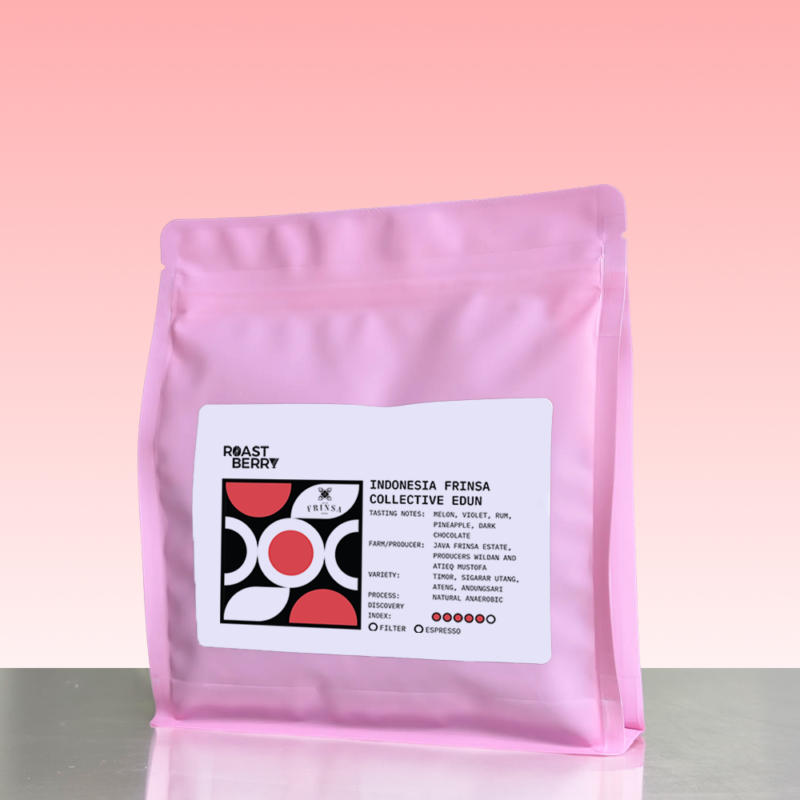
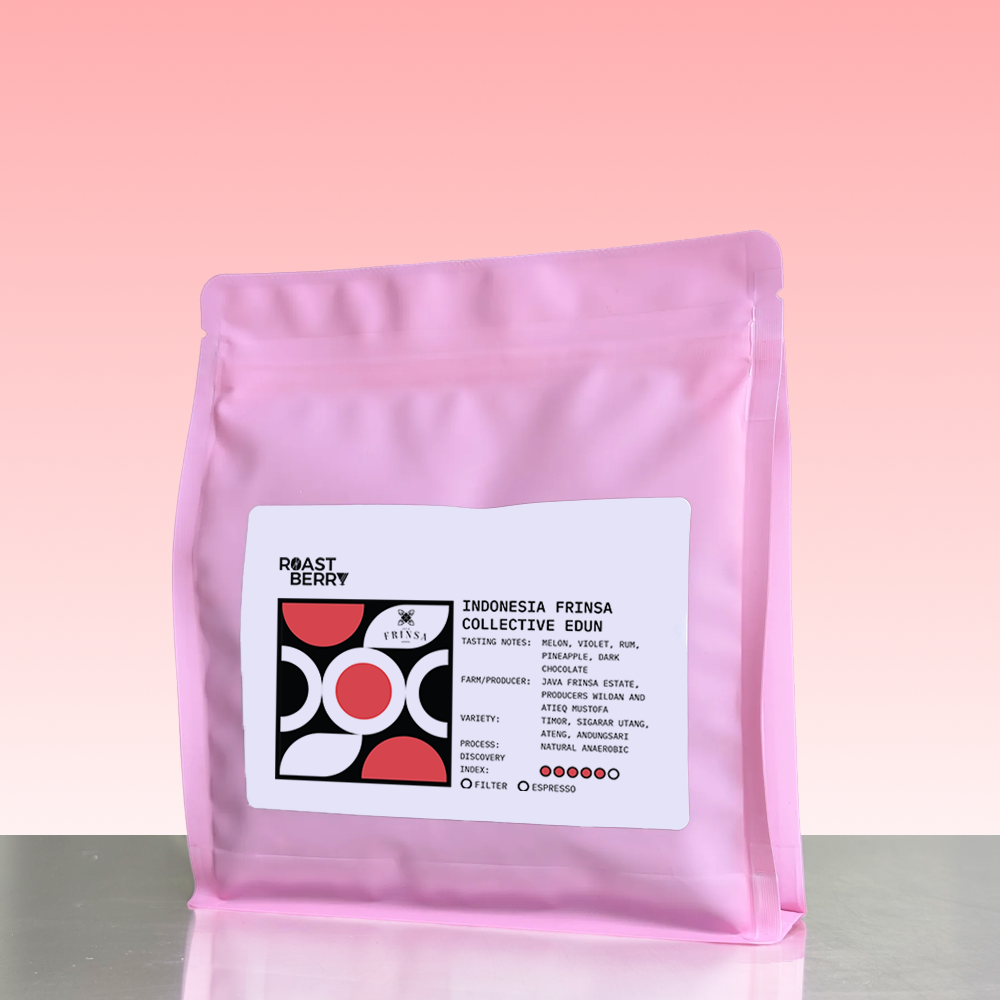
Indonesia Frinsa Collective Edun Filter
The Frinsa Collective pushed fermentation boundaries to create the “Edun” lot that is truly a unique gem — expect sugary melon and vibrant pineapple, delicate wafts of violet, all melting down into a thick, boozy base of rum and dark chocolate.
- melon
- violet
- rum
- pineapple
- dark chocolate
- Variety
- Timor, Sigarar Utang, Ateng, Andungsari
- Process
- Natural anaerobic
- Producer
- Java Frinsa Estate, Wildan and Atieq Mustofa
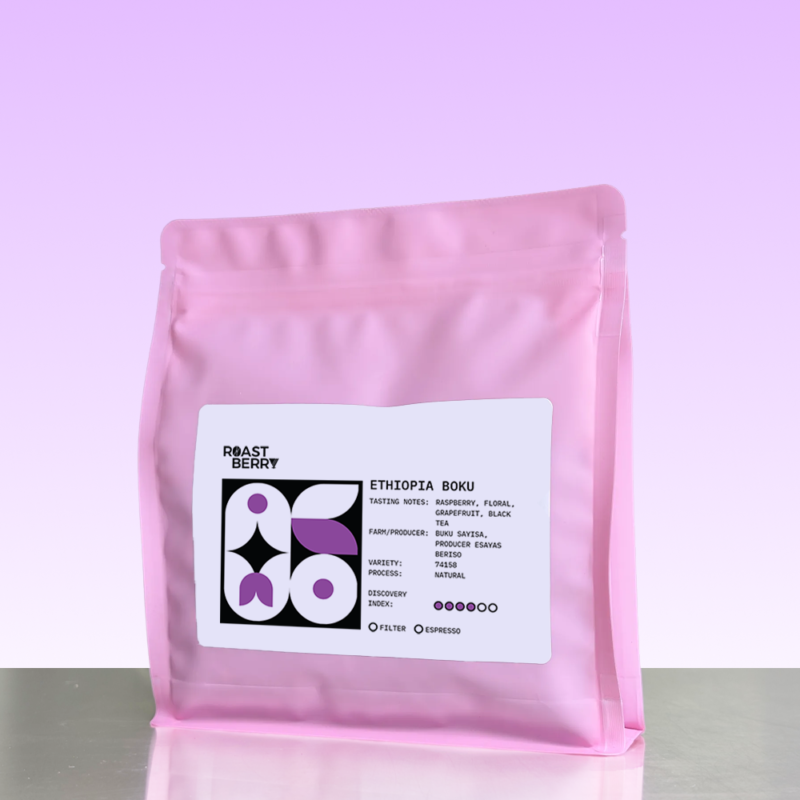
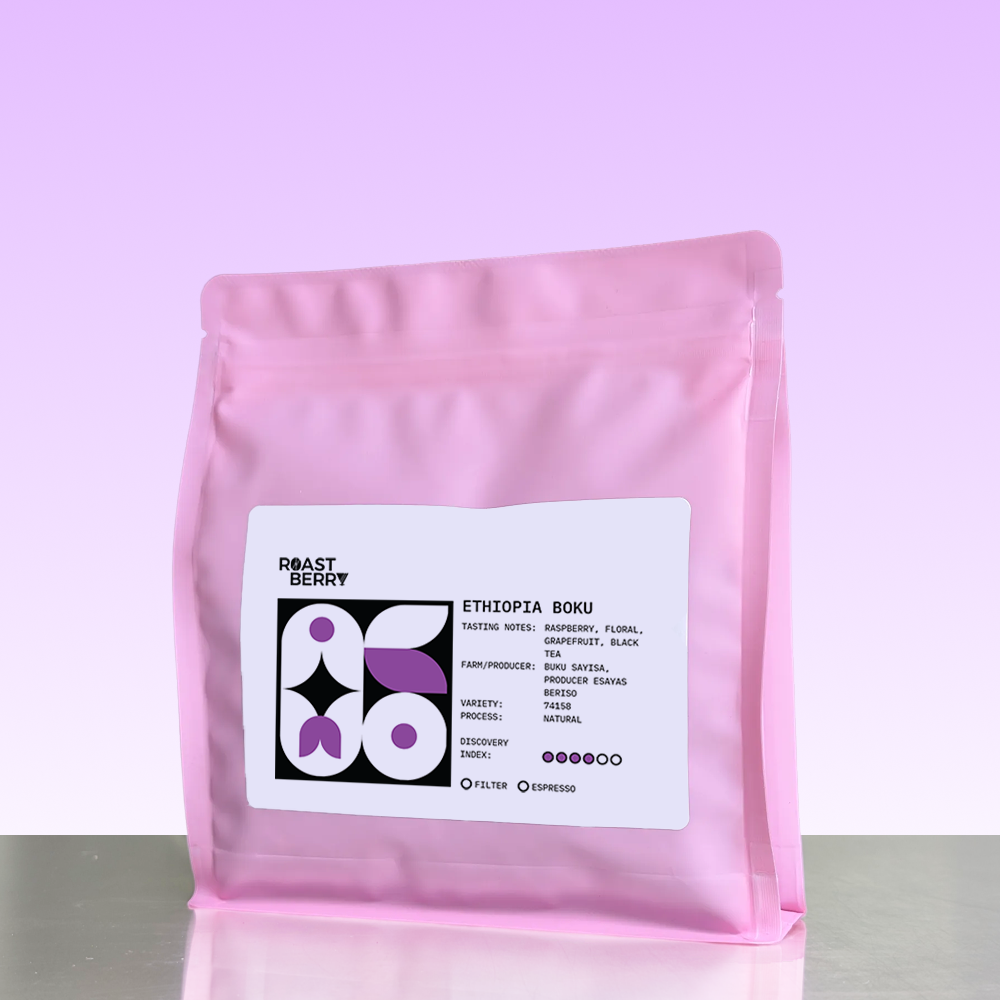
Ethiopia Boku Espresso
This natural lot from Boku makes for a brilliantly dynamic Ethiopian espresso — expect a vibrant hit of jammy raspberry and snappy grapefruit, lifted by delicate floral aromatics and grounded elegantly in a smooth black tea finish. Genuine classic.
- raspberry
- floral
- grapefruit
- black tea
- Variety
- 74158
- Process
- Natural
- Producer
- Buku Sayisa, Esayas Beriso
Indonesia Frinsa Collective Edun Espresso
The Frinsa Collective pushed fermentation boundaries to create the “Edun” lot that is truly a unique gem — expect sugary melon and vibrant pineapple, delicate wafts of violet, all melting down into a thick, boozy base of rum and dark chocolate.
- melon
- violet
- rum
- pineapple
- dark chocolate
- Variety
- Timor, Sigarar Utang, Ateng, Andungsari
- Process
- Natural anaerobic
- Producer
- Java Frinsa Estate, Wildan and Atieq Mustofa